
Best Mattresses for Every Sleep Style
As an Amazon Associate, I earn from qualifying purchases. Some links may earn us a commission at no extra cost to you.
A “best mattress” depends on your sleep position, how hot you sleep, and how much risk you want to take with comfort. I prioritize mattresses that typically work for the widest range of sleepers, then add targeted picks for pressure relief, cooling, and value.
Top picks
Nectar Premier (13″) — Best for side sleepers who want pressure relief
A plush-leaning memory-foam feel aimed at reducing pressure at shoulders and hips. Why it wins: strong pressure relief + low motion transfer (typical of thicker memory-foam builds).
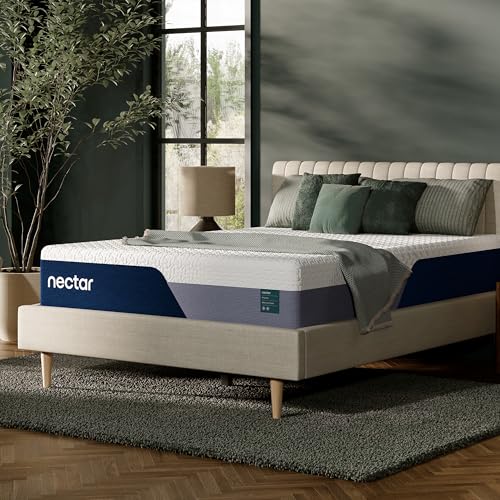
- SIMPLE TO SET UP - Just move the box to the room you want to use it in, unbox and unroll your...
- 60% MORE COOLING - Step up from our Classic model with even more cool-to-the-touch fabric to ensure...
- 2X MORE PRESSURE RELIEF - With an extra inch of contouring memory foam than our Classic model,, you...

Pros
-
Excellent pressure relief for many side sleepers
-
Very good motion isolation for couples
-
Comfortable “hug” feel for people who like foam
Cons
-
Foam can trap heat for hot sleepers
-
A softer feel may feel less supportive for some stomach sleepers
Trade-offs / Who should skip
-
Skip if you always overheat—consider a hybrid or latex option.
-
Skip if you want a firm, springy surface.
Scores: Performance 4/5 • Sleep-trial length 5/5 • Ease of Use 4/5 • Value 4/5
DreamCloud Premier Hybrid (13″) — Best for balanced support and cushioning
A hybrid build (foam + coils) that usually feels more supportive than all-foam while still cushioning pressure points. Why it wins: supportive lift + easier movement than deep memory foam.
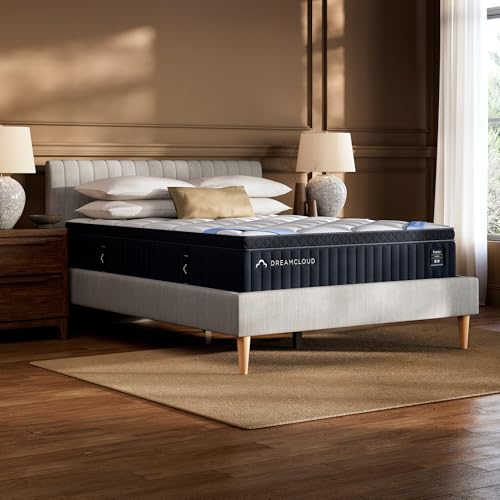
- CloudQuilt(TM) TOP- A quilted top creates a soft, luxurious sleep surface. Cooling fibers woven into...
- SIX LAYERS OF COMFORT - DreamCloud Premier Hybrid features a 6-layer design with our signature...
- MOVE FREELY, SLEEP DEEPLY - Our ultra-stable foundation layer is designed for optimal motion...
Pros
-
Better airflow than all-foam (typical of hybrids)
-
Easier to reposition on (good for combo sleepers)
-
Good “support + cushion” balance for many backs
Cons
-
More motion transfer than all-foam for some couples
-
A taller profile can feel high on low frames
Trade-offs / Who should skip
-
Skip if you’re extremely motion-sensitive (consider all-foam).
-
Skip if you want an ultra-soft, slow-sinking feel.
Scores: Performance 4/5 • Sleep-trial length 5/5 • Ease of Use 4/5 • Value 4/5
Casper Original Hybrid — Best “safe middle” for most sleepers
A mainstream medium feel that tends to work well for back and combination sleepers who don’t want extremes. Why it wins: predictable medium feel + responsive hybrid surface.

- DESIGNED FOR ALL SLEEPERS: Medium feel and Zoned Support align your spine and provide firmer foam...
- PREVENTS OVERHEATING ALL NIGHT: Unlike traditional memory foam Casper's breathable open-cell Flex...
- ADVANCED MOTION ISOLATION: Layers of premium foam and encased coils absorb motion transfer, giving...
Pros
-
Balanced firmness for a wide range of sleepers
-
Responsive feel makes changing positions easier
-
Solid all-around pick if you’re unsure what you like
Cons
-
Not the plushest option for strict side sleepers
-
Not the firmest option for strict stomach sleepers
Trade-offs / Who should skip
-
Skip if you know you need very plush pressure relief.
-
Skip if you need very firm, flat support.
Scores: Performance 4/5 • Sleep-trial length 3/5 • Ease of Use 4/5 • Value 3/5
Tuft & Needle Original (10″) — Best budget-friendly comfort
A simpler all-foam mattress that usually lands around medium and fits guest rooms, teens, and first apartments well. Why it wins: good comfort-per-dollar style build without complicated add-ons.

- Bounce-Back Support - Queen size mattress in a box uses T&N Adaptive foam, a breathable, open-cell...
- Medium Feel - Made For All sleeping positions; The new T&N Original medium bed mattress is...
- Responsive Comfort - The foam mattress's T&N Flex foam responds to your body weight, firming the...
Pros
-
Simple, easy-to-like medium feel
-
Strong motion isolation (common with foam)
-
Great for guest rooms and lighter-to-average sleepers
Cons
-
Can feel too soft for some stomach sleepers
-
Less “bounce” than hybrids for repositioning
Trade-offs / Who should skip
-
Skip if you’re heavier and want strong edge support—consider a hybrid.
-
Skip if you prefer a bouncy surface.
Scores: Performance 3/5 • Sleep-trial length 3/5 • Ease of Use 5/5 • Value 5/5
Avocado Green Mattress — Best for latex feel and cooler sleep
A latex-forward hybrid style that’s often chosen by people who dislike memory-foam sink and want a more breathable, springy surface. Why it wins: buoyant support + typically cooler feel than dense foams.

- Firm Support for Restful Sleep: Experience superior support with our high-density firm foam tri-fold...
- Portable & Tri-Folding Design for Travel: This lightweight, foldable mattress folds neatly in...
- Washable Cover & Long-Lasting Freshness: Designed with a soft, removable machine-washable cover...
Pros
-
Responsive “push-back” feel (great for combo sleepers)
-
Often cooler than dense memory foam
-
Supportive surface that doesn’t feel stuck-in
Cons
-
Latex feel isn’t for everyone (more bounce, less hug)
-
Can feel firmer than expected to strict side sleepers
Trade-offs / Who should skip
-
Skip if you want a deep, slow contouring memory-foam feel.
-
Skip if you’re a sensitive side sleeper who needs plush softness.
Scores: Performance 4/5 • Sleep-trial length 3/5 • Ease of Use 4/5 • Value 3/5
Quick compare
-
Most pressure relief: Nectar Premier
-
Best balanced support: DreamCloud Premier Hybrid
-
Best “middle-of-the-road” feel: Casper Original Hybrid
-
Best budget pick: Tuft & Needle Original
-
Best cooler, bouncy feel: Avocado Green
Buying guide
1) Pick your feel first (this prevents returns)
-
Want a hug + motion isolation → all-foam (great for couples, often warmer)
-
Want support + easier movement → hybrid (better airflow, more bounce)
-
Want cooler + springy + “on top” feel → latex-style builds
2) Match firmness to your sleep position
-
Side sleepers: usually do best with medium to medium-soft for shoulder/hip relief
-
Back sleepers: usually medium to medium-firm for balanced alignment
-
Stomach sleepers: usually medium-firm to firm to avoid hip sink
3) If you sleep hot, prioritize construction
-
Hybrids and latex-style builds typically sleep cooler than thick memory foam.
-
Cooling covers can help, but structure matters more than marketing.
4) Couples: choose your “deal-breaker.”
-
If motion wakes you up → all-foam usually wins
-
If you need edge support and easier movement → hybrids usually win
FAQs
What mattress type is best for most people?
A medium-feel hybrid is often the safest “one mattress for many” choice because it balances support, cushioning, and ease of movement.
Is memory foam good for back pain?
It can be, especially if it keeps your spine aligned and reduces pressure points. If you feel your hips sink too much, a hybrid or firmer feel usually works better.
What’s the best mattress for side sleepers?
Most side sleepers do best with pressure relief at shoulders and hips, usually in the medium to medium-soft range.
How do I choose if I can’t try it in store?
Start with your sleep position + heat level, then choose a mattress type that matches. A longer sleep trial reduces risk if you’re unsure.
As an Amazon Associate, I earn from qualifying purchases.